NEWS
AND CURRENT ACTIVITies
EARLY MARCH 2026
SYDNEY
(AUSTRALIA)
Our Australian journey from Melbourne to Sydney, via Brisbane, marks an important phase in the development of one of our most ambitious artistic projects, entitled CITIES, conceived as an international itinerary structured around major art cities.
This Australian stage forms part of a cycle organised around twelve cities divided into four distinct geographical groups, with Sydney completing this itinerary as the twelfth city.
A REFLECTION
BEGUN
IN NEW YORK
This Australian stay marks the culmination of an international trajectory set in motion nearly three years ago in New York, following an evening on Broadway around the musical “New York, New York,” whose stimulating energy inspired this project.
The musical “New York, New York” on Broadway
Private documentary photo
© Jean-Claude Bossel
New York, USA, June 2023
THE CITIES
PROJECT
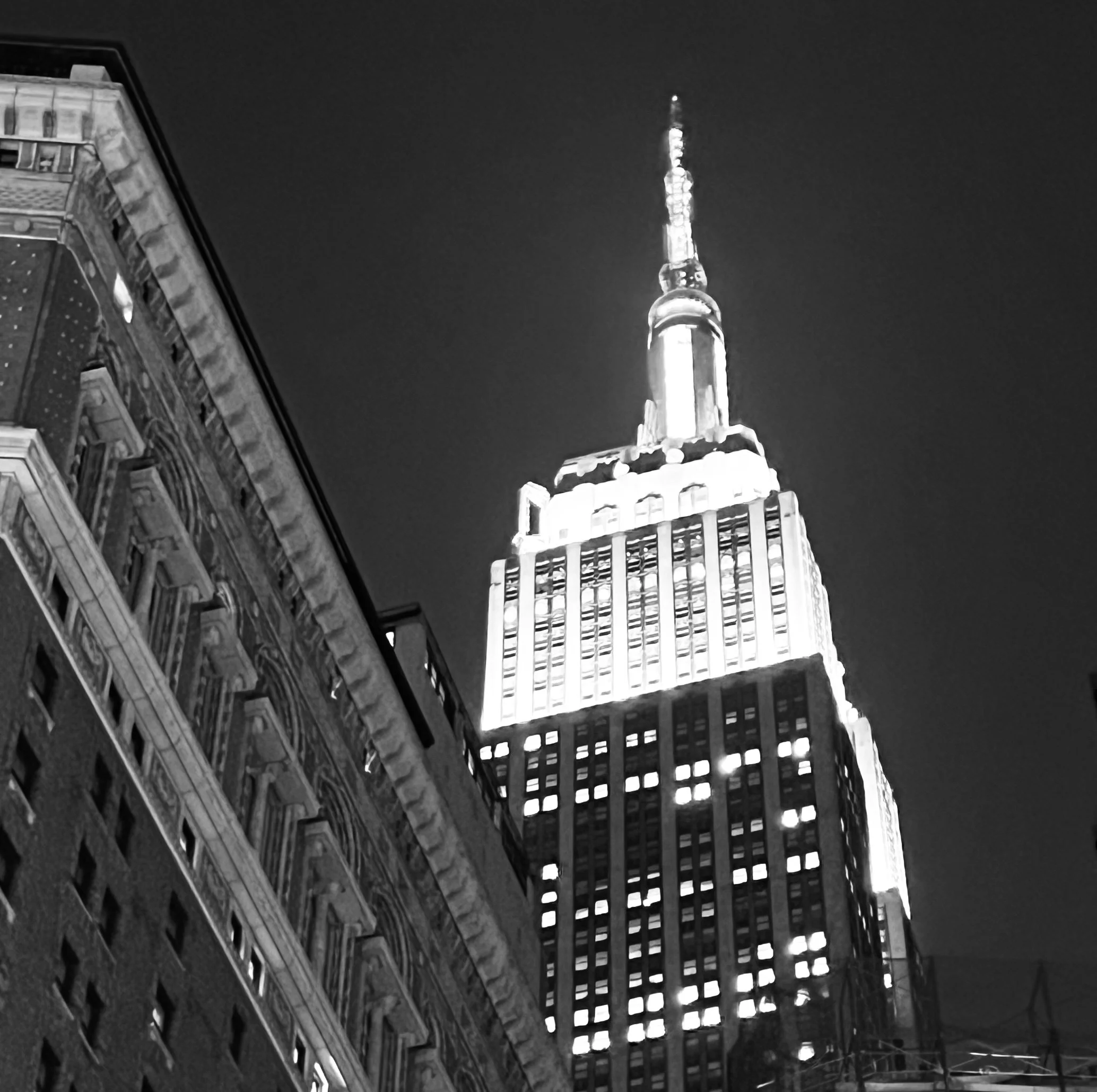
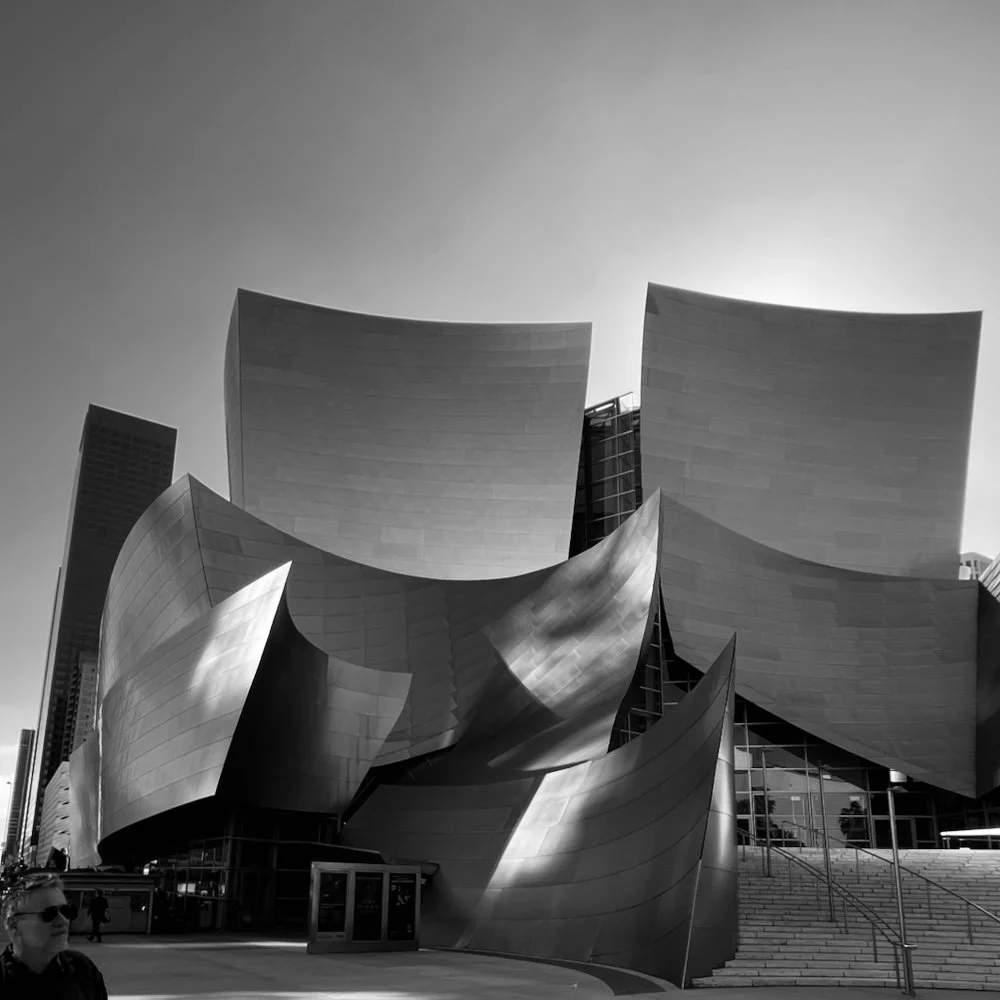
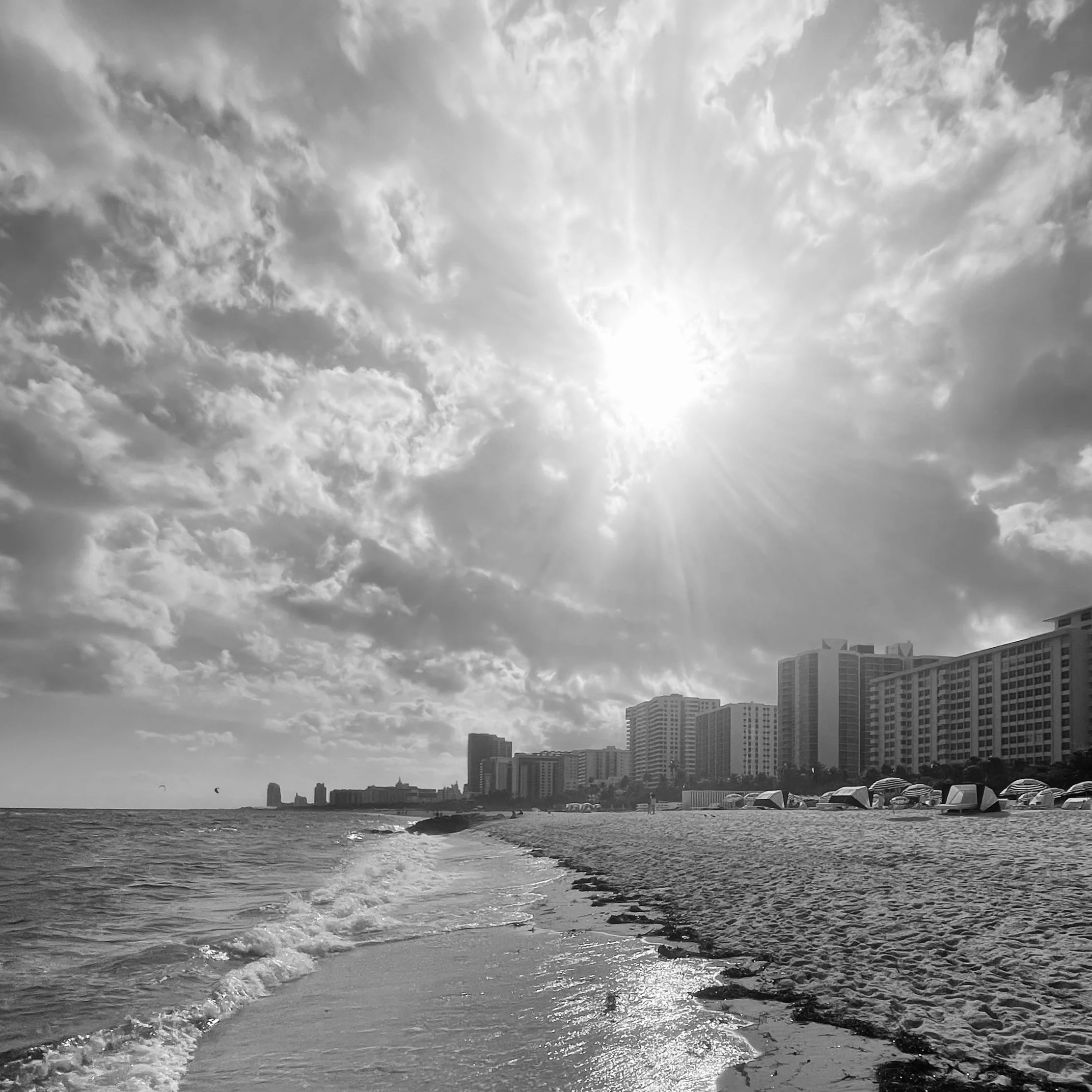
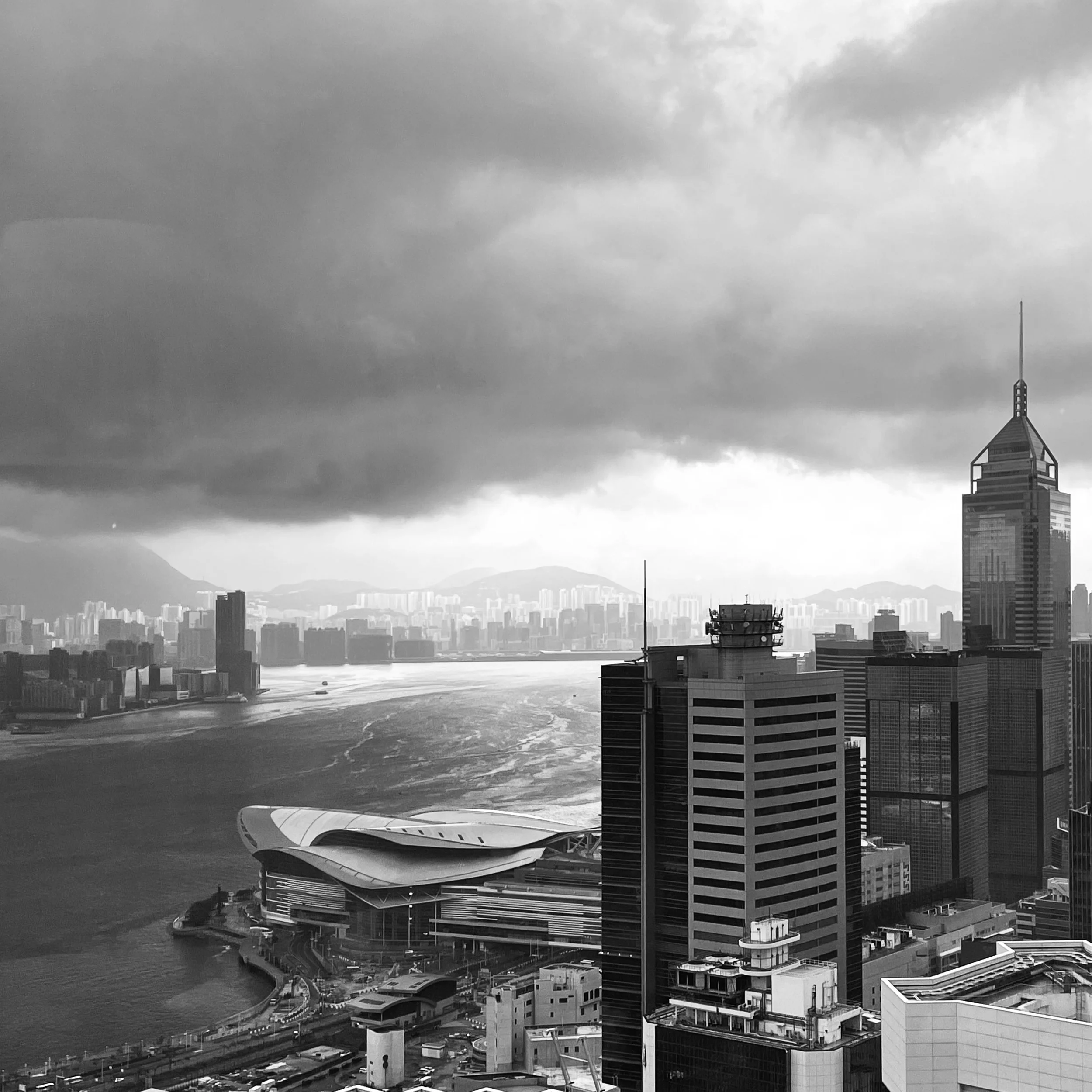
From this New York intuition emerged the CITIES project, conceived as a journey through twelve major art cities around the world.
Over time, it became necessary to make choices and to concentrate our energy on destinations in direct resonance with our artistic approach and our sensibility as travellers.
This choice is therefore entirely arbitrary, a fact we openly acknowledge.
The cycle gradually took shape around twelve cities distributed across four geographical groups:
three European cities: selection still in progress
three American cities: New York, Los Angeles, Miami
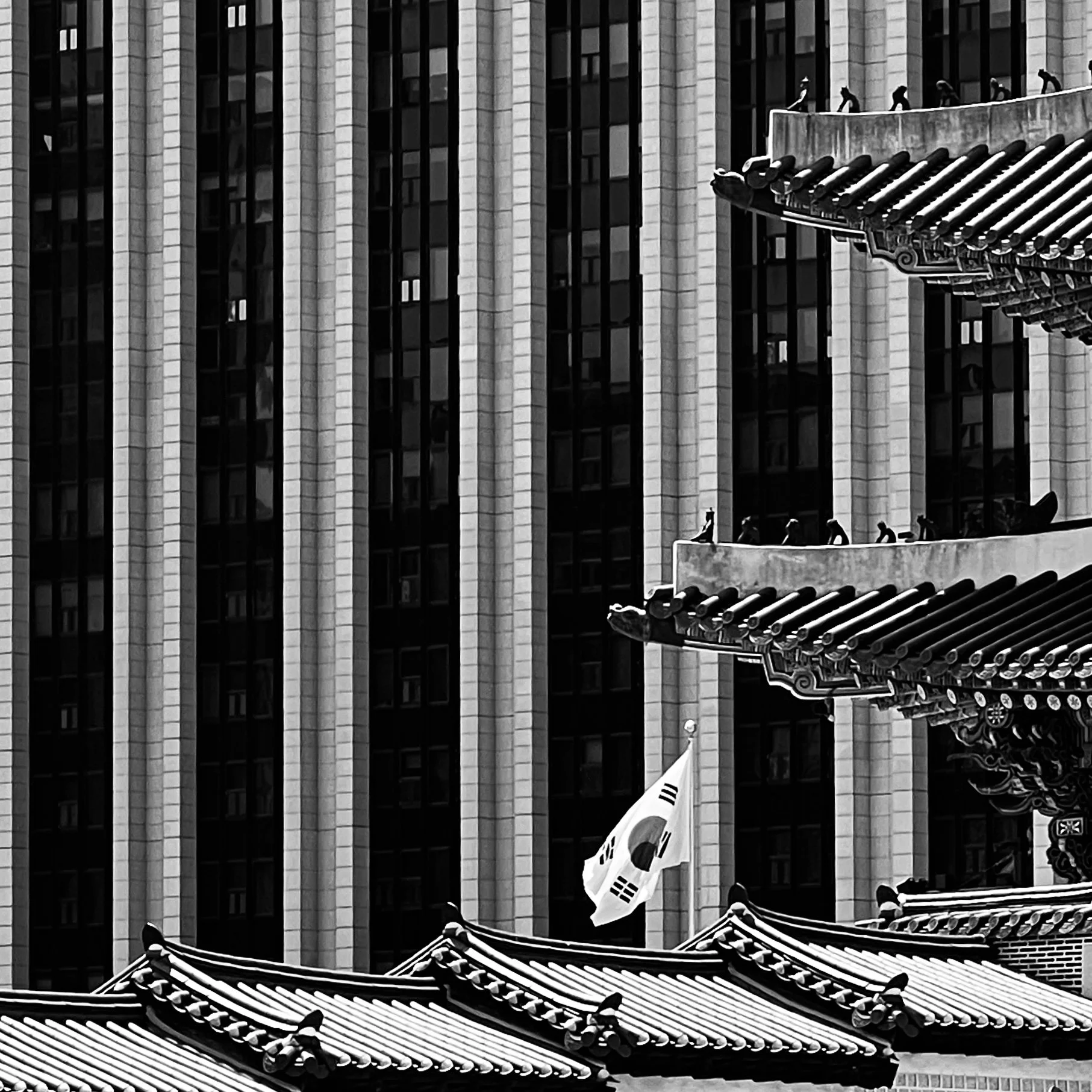
three Far Eastern cities: Hong Kong, Seoul, Tokyo
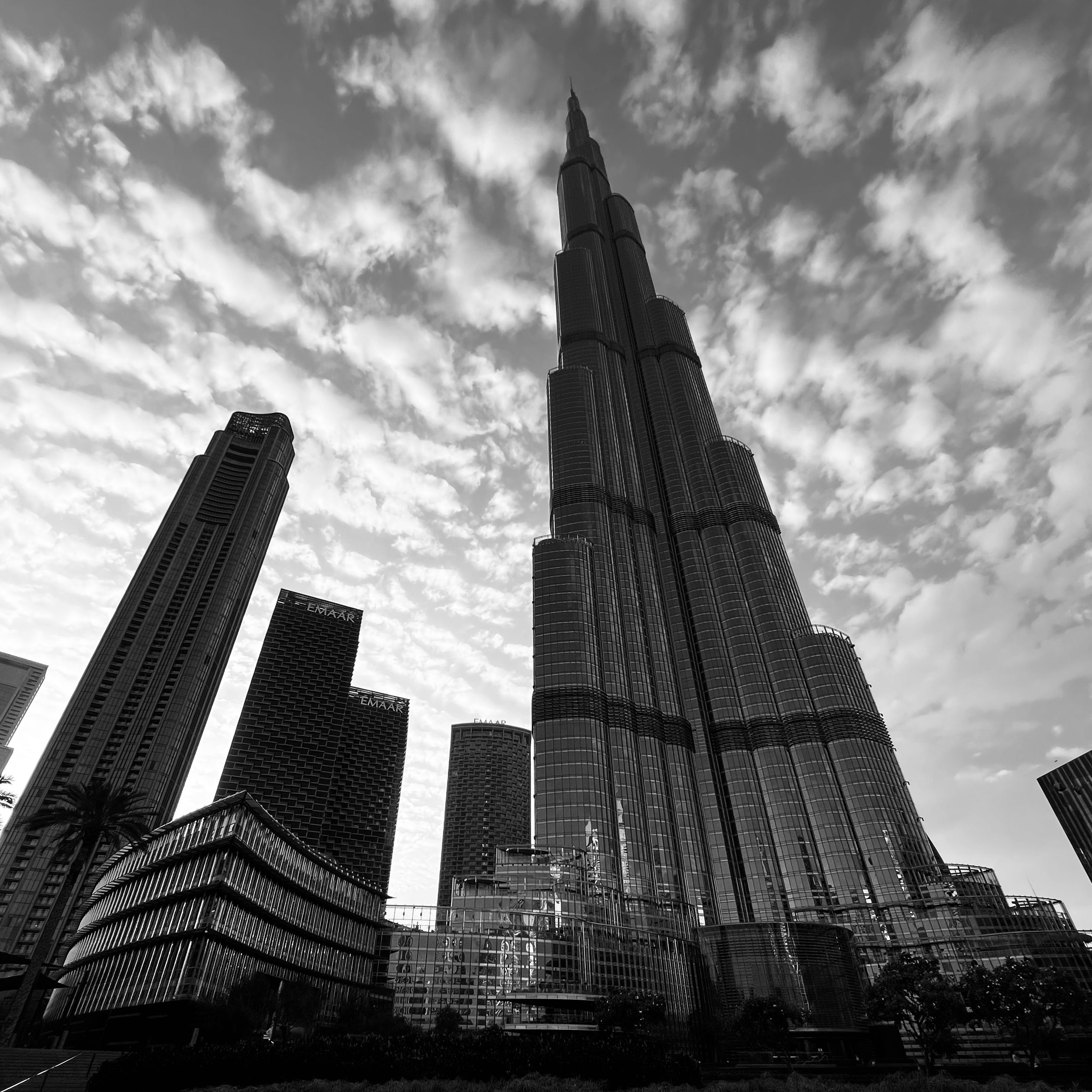
three cities from the rest of the world: Dubai, Doha, Sydney
LITTLE DOTS
LITTLE DOTS
LITTLE DOTS AGAIN
The paintings of the CITIES project, currently in the sketching and preparation phase, will be based on photographic canvases on which acrylic interventions, notably dots, will be applied.
The use of the dot in painting spans different traditions, both historical and geographical. In resonance with our current Australian context, let us begin with this country, cradle of one of the oldest graphic cultures in the world, that of the Aboriginal peoples, for whom the dot constitutes a fundamental element of their visual vocabulary.
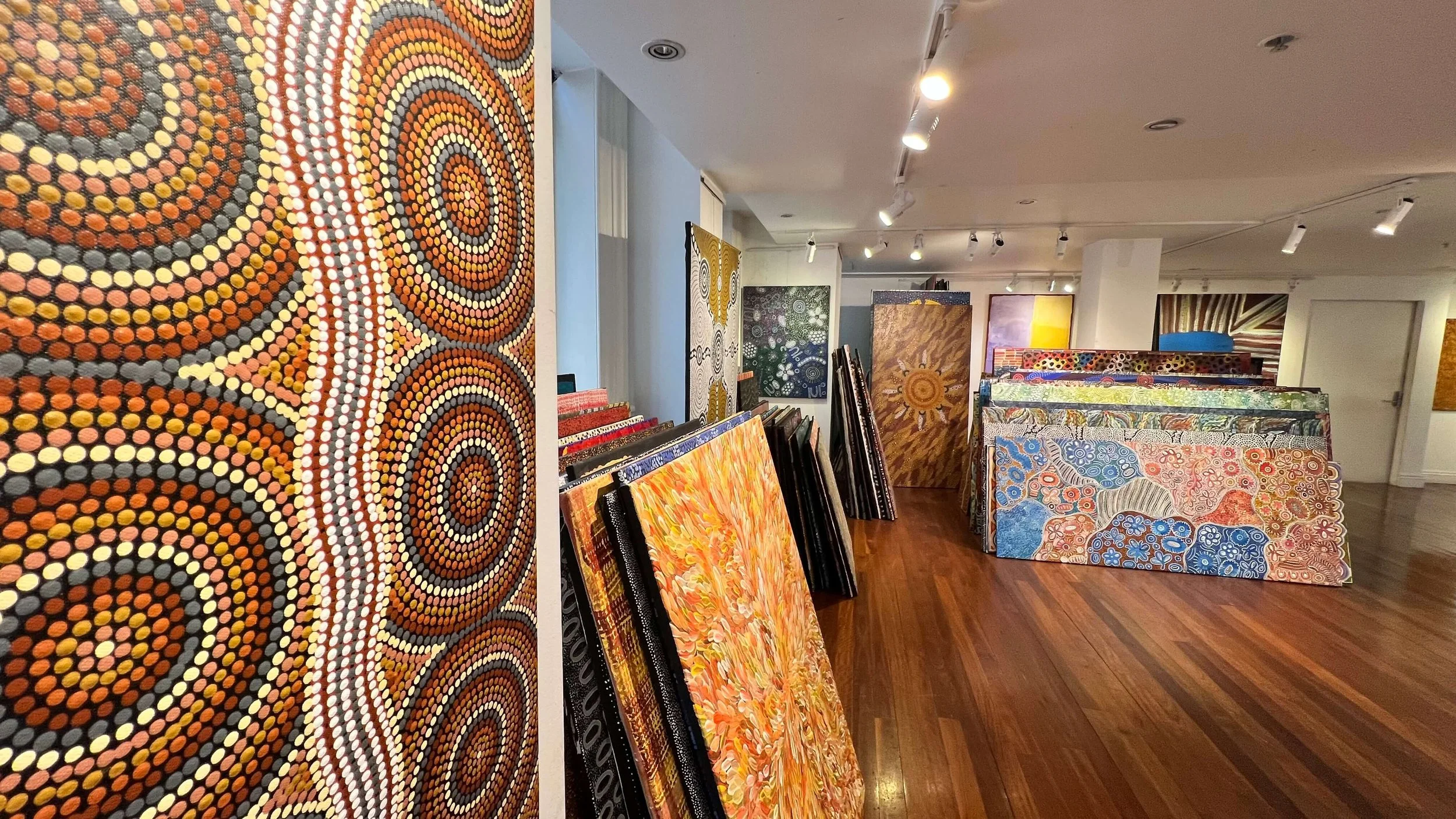
Dots to infinity. It is one of the dominant impressions one may experience when visiting Aboriginal art galleries in Australia, whether in Melbourne, Brisbane or Sydney.
Private documentary photo
© Jean-Claude Bossel
Australia, March 2026
In Western culture, the dot was explored as an optical unit by late nineteenth-century Neo-Impressionist painters, notably Georges Seurat, who used it as a principle of rational image construction.
At the beginning of the twentieth century, Vassily Kandinsky established the foundations of an abstract language in which the dot and form become active units, organising pictorial space according to principles comparable to those of musical composition.
Two pages from the essay
“On the Spiritual in Art”
by Vassily Kandinsky
Exhibition at the Philharmonie de Paris
Private documentary photo
© Jean-Claude Bossel
Paris, France, October 2025
Several contemporary artists have made the dot an autonomous visual language, notably the Japanese artist Yayoi Kusama, whose immersive installations have profoundly shaped the international visual imagination.
Monumental installation by Yayoi Kusama
at Fondation Beyeler, Basel
Private documentary photo
© Jean-Claude Bossel
Basel, Switzerland, January 2026
In very different registers, the dot also runs through twentieth-century modern visual culture, from the mechanical patterns of Roy Lichtenstein to the repetitive series of Damien Hirst, where repetition becomes system.
Detail of a work by Roy Lichtenstein
presented in a New York gallery
Private documentary photo
© Jean-Claude Bossel
New York, USA, June 2023
LITTLE HOLES
LITTLE HOLES
LITTLE HOLES AGAIN
LITTLE HOLES
LITTLE HOLES
ALWAYS LITTLE HOLES
Alongside dots of different sizes and colours, perforations and cuts occupy a central place in several series of Jean-Claude Bossel’s encrypted paintings, while sometimes retaining a playful dimension, as a nod to Serge Gainsbourg and “Le Poinçonneur des Lilas”.
In the history of modern art, these gestures found radical expression in artists such as Lucio Fontana, whose slashes and perforations transformed the pictorial surface into an open space, linking matter, gesture and depth.
Two works by Lucio Fontana
presented at Art Basel Paris
Private documentary photo
© Jean-Claude Bossel
Paris, France, October 2025
More recently, during our visit to Art Basel Qatar, an installation at the Sprüth Magers gallery stand particularly struck us: the hole, the opening and the pierced surface asserted a strong physical presence.
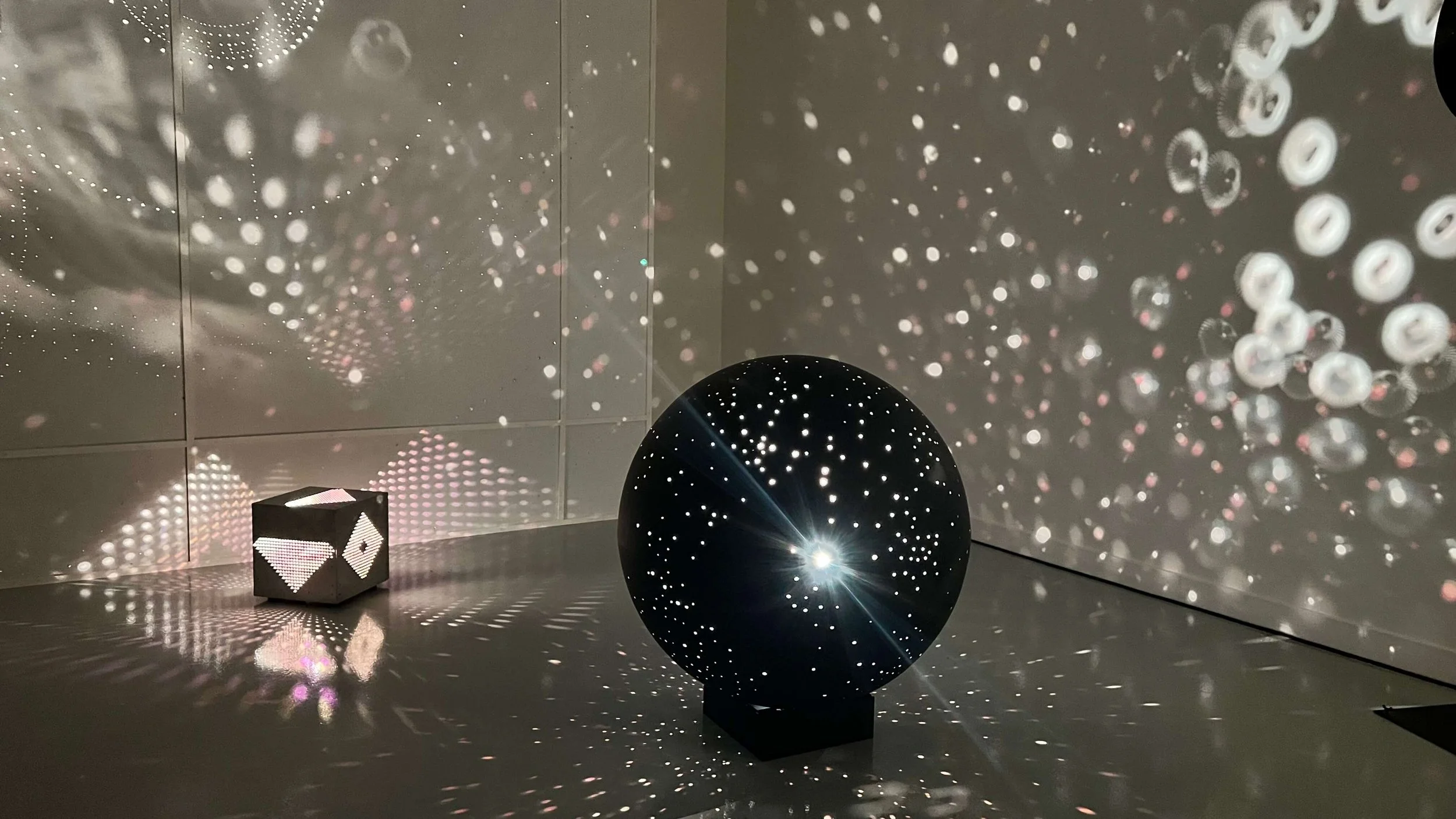
The stand of the Sprüth Magers gallery
at Art Basel Qatar
Private documentary photo
© Jean-Claude Bossel
Doha, Qatar, February 2026
Our own research into the encrypted use of dots and holes has led, among other outcomes, to the production SIXTIES FANTASIES, completed in January 2026.
Comprising sixty paintings, six of which have already been acquired in Switzerland, distributed across five series of twelve works, this production is structured around emblematic figures of the 1960s and their contemporary resonances: Serge Gainsbourg, Brigitte Bardot, Gunther Sachs, Jane Birkin.
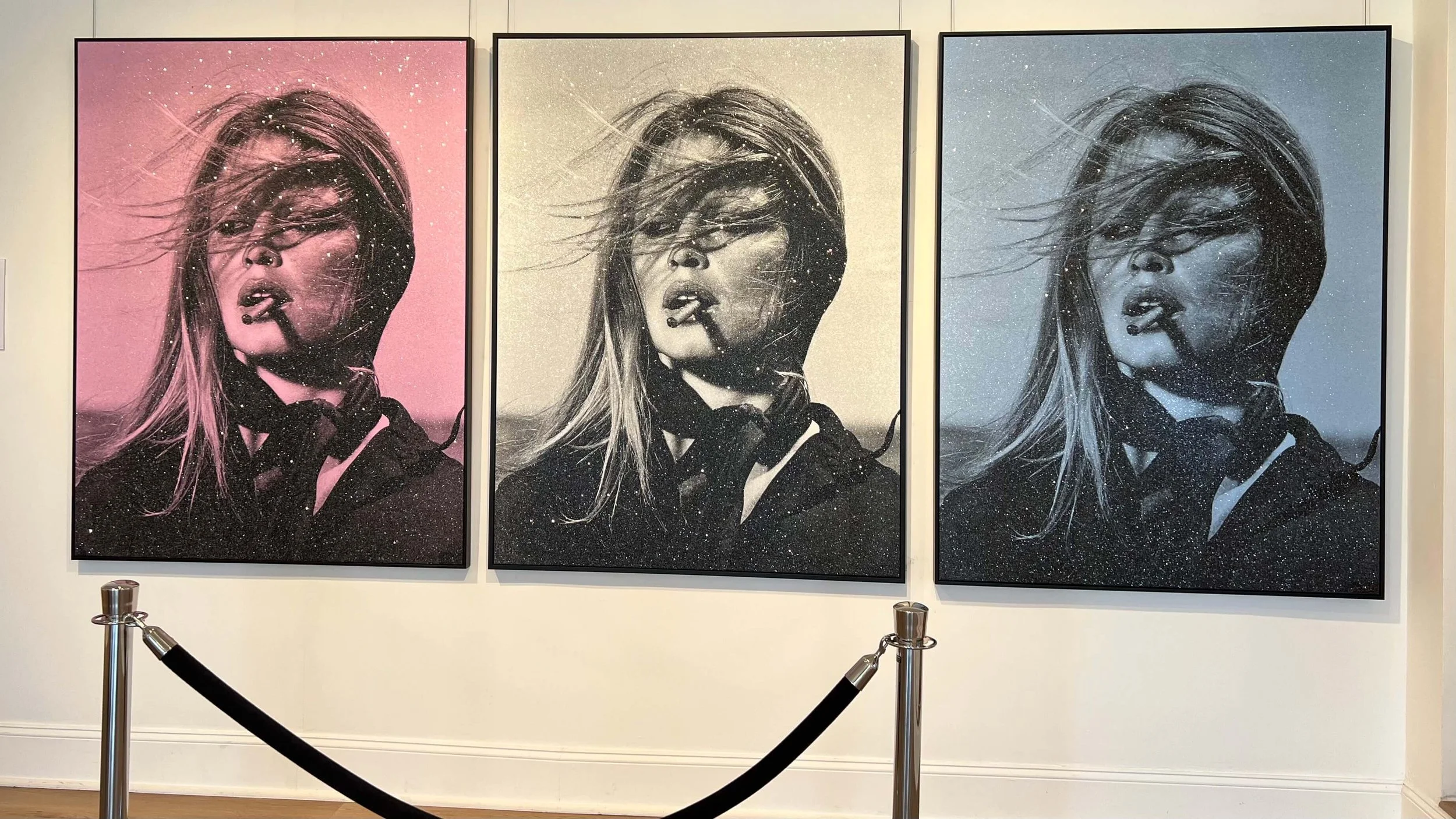
The French icon Brigitte Bardot
Central figure of our SIXTIES FANTASIES project, whose image continues to circulate in American galleries.
Private documentary photo
© Jean-Claude Bossel
Los Angeles, USA, May 2024
LITTLE CODES
LITTLE CODES
ALWAYS LITTLE CODES
In the work of Swiss artist and mathematician Jean-Claude Bossel, these formal elements, dots, holes, rhythms, are not merely visual motifs.
They become meaningful signs, fully articulated in the diptych LET’S GO.
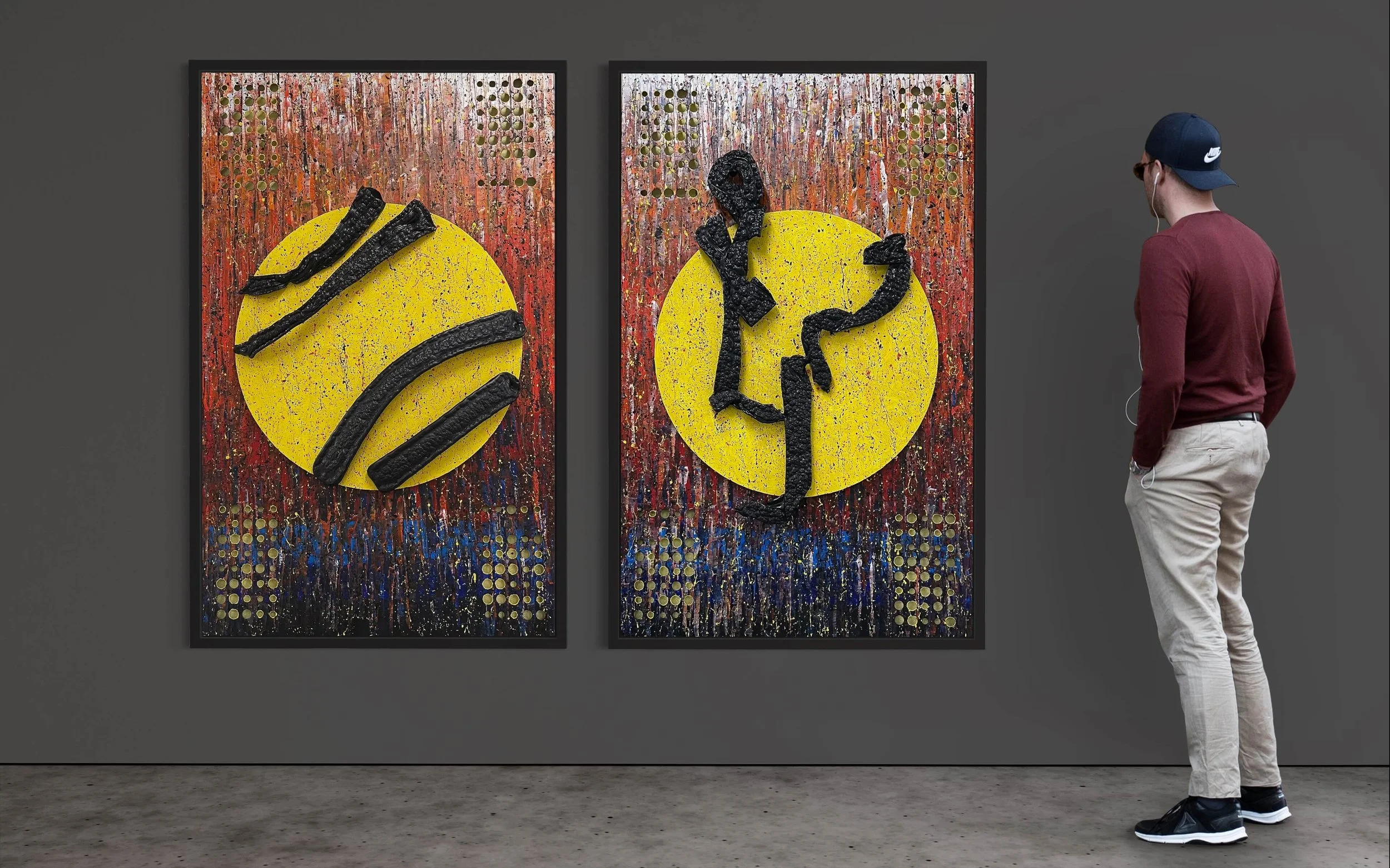
The diptych LET’S GO
by Jean-Claude Bossel
Acrylic and plastic waste
Diptych, 2 x 100 cm x 160 cm
painted in 2023
In this diptych, variations in perforations and colours graphically translate the digits 0 and 1 of the binary system, integrated into the mathematical encryption process CODE BACH.
Thus, elementary forms drawn from an immediately recognisable visual vocabulary become the supports of a complex language linking art, mathematics and cryptography.
Detail of the diptych LET’S GO
by Jean-Claude Bossel
Holes of two different sizes
and edges in two distinct colours
symbolising the digits 0 and 1
of the binary code
The diptych LET’S GO contains messages to be decrypted. It forms part of the development of the registered brands CODE BACH® and LET’S GO ART GALLERY®, and of the progressive launch of the CRYPTO CHALLENGES.
IMMEDIATE
PERSPECTIVES
The finalisation of the CITIES project, with its very distinctive graphic language based on dots, holes and encrypted messages, is not currently on the agenda.
This project will be presented in detail in due course.
As indicated at the beginning of this page, our stay in Australia, and particularly in Sydney, forms part of a broader international journey that will continue in the coming weeks in Asia, including a planned visit to Hong Kong during the Art Basel fair.
These travels provide valuable opportunities to meet galleries, institutions and collectors in focused environments conducive to direct professional dialogue.
At the same time, we continue structuring the artistic and economic framework developed in recent years in Switzerland and internationally, including the development of our brands CODE BACH® and LET’S GO ART GALLERY®, as well as the development of new exhibition and collaboration projects.
BACK TO THE
NEWS PAGE
Click on the button.